Nepal Revolving Loan Fund
- Status: Construction
- Country: Nepal
- Partner: Lumanti
- Year Approved: 2019


Using repayments from Reall’s previous bank guarantee projects in Nepal, Reall and Lumanti created a NPR250m (£1.4m) Revolving Loan Fund that has enabled hundreds of additional loans to be disbursed. Projects operate through two main models.
Bank Guarantees: Under this model, Lumanti partners with a local bank to enable them to provide loans to end users, as banks are required to do under Nepali law. Lumanti provides a guarantee to the bank in the form of a percentage of the overall loan amount, which is held in a separate account. As the client repays the loans the guarantee is returned to Lumanti, but in cases of non-payment this amount is taken by the bank from the guarantee fund. Previously banks were highly wary of providing any loans to low income clients and would rather pay the relevant fines. However, the guarantees provided by Lumanti have significantly reduced the perceived risk and meant that banks have become willing to loan to low income clients. Guarantees have varied significantly from as high as 80% of the total funds disbursed to as little as 20%.
Cooperative Loans: Under this model, Lumanti provides loans directly to cooperatives, with an agreement signed between Lumanti and the cooperative detailing number of loans, amount of money, interest rate and loan terms. The amount provided by Lumanti tends to be NPR 200,000 per individual, though some cooperatives provide additional match funding for the loan, taking the amount usually up to a maximum of NPR 400,000.
Nepali law limits the amount that can be provided as a bank loan to low income groups to NPR 400,000, and many cooperative loans are of a maximum of NPR 200,000. In both cases, this is not enough to construct anything but the most basic of houses. As such, in almost all cases clients use additional funds to complete their homes.
Though the majority of loans are for new builds, some (particularly in Kathmandu Valley) have been used for home upgrading or repairs, mainly due to the 2015 earthquake’s damage, which was particularly heavy within the valley. For the same reason, a far higher percentage of loans in Kathmandu Valley were used for repairs and upgrading rather than new builds. It is anticipated that the proportion of projects undertaken in the valley will reduce moving forward though, and that the majority of future work will be undertaken outside of Kathmandu.

Client Data


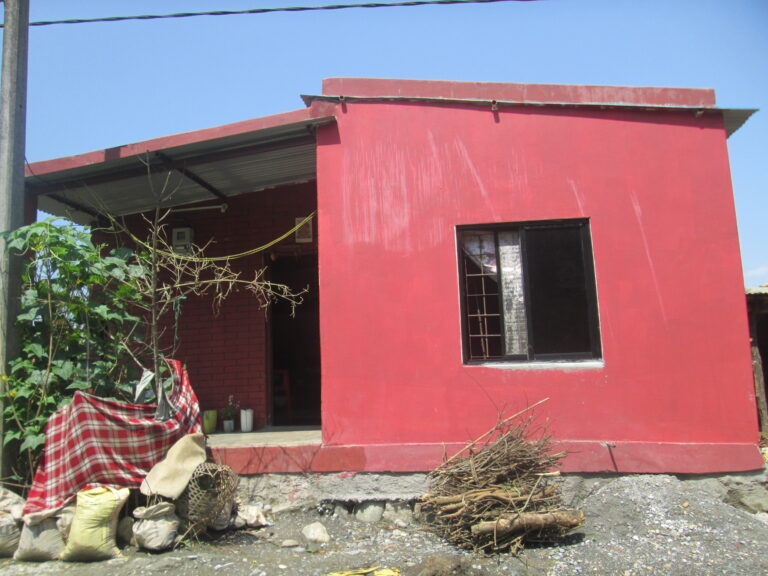


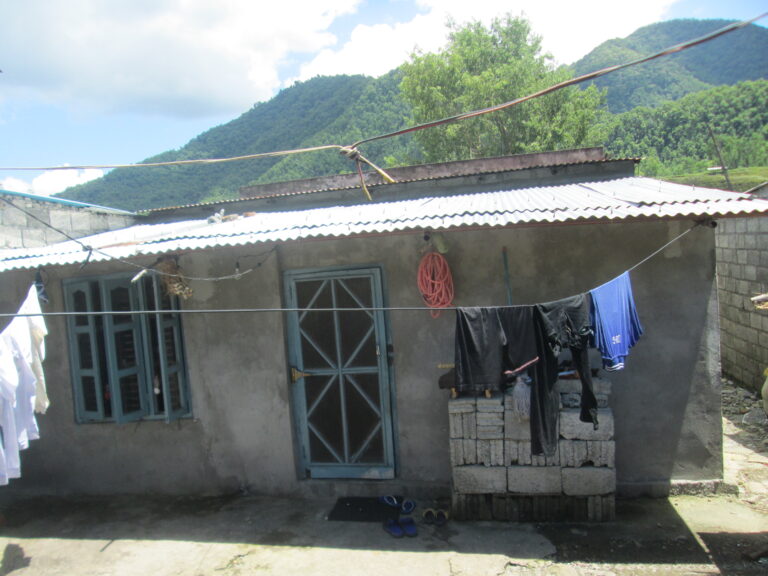
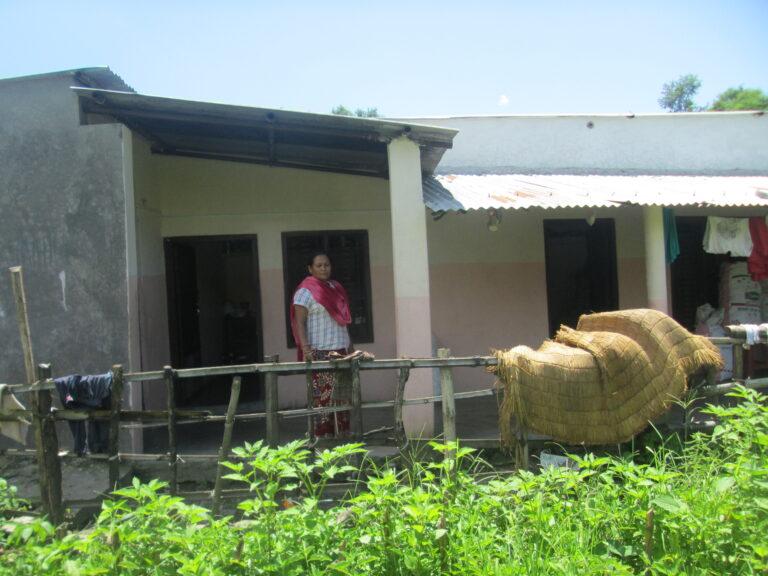

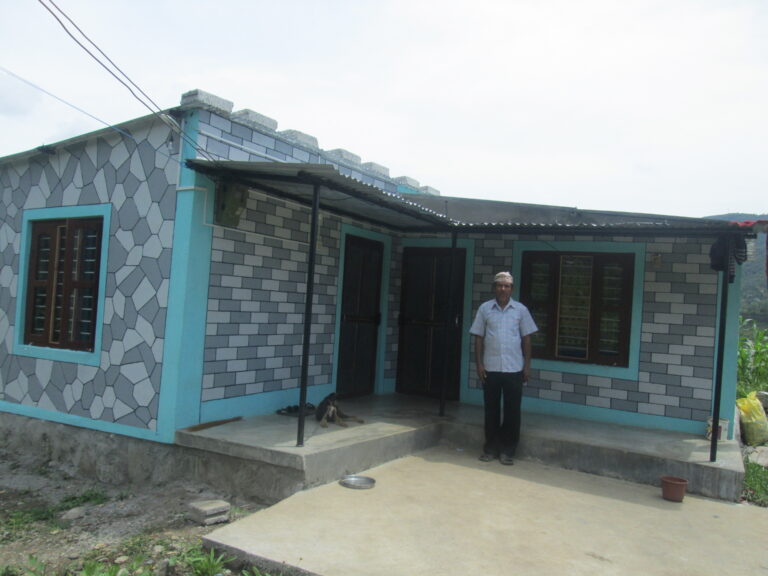



| Description | Type | Number Expected | Number Completed | Unit Size (m2) | Monthly Cost (Local Currency) | Loan Length (months) |
|---|---|---|---|---|---|---|
| n/a | Self Build | 2556 | 852 | 34 | 4762 | 84 |
| Home upgrading loans | Loan | 141 | 141 | 34 | 4762 | 84 |
| Finance Description | Interest Rate (%) |
|---|---|
| n/a | 6.0 |
| Home upgrading loans | 6.0 |
Browse Projects in Nepal
Want the latest data?
Be notified each time our data is updated by joining our mailing list.
Want to download this data? Click here to access our data explorer.
Data last updated on 21/10/2025